Support our educational content for free when you purchase through links on our site. Learn more
What Is Tears for Fears’ Biggest Hit? 🎶 The Ultimate Breakdown (2026)

If you’ve ever found yourself humming an irresistible 80s synth-pop anthem and wondered, “Which Tears for Fears song is really their biggest hit?” — you’re not alone. From chart-topping singles to viral streaming sensations, this British duo has a catalog packed with memorable tunes. But one song towers above the rest in cultural impact, streaming numbers, and sheer catchiness. Spoiler alert: it’s not just a nostalgic relic; it’s a timeless anthem that still rules playlists worldwide.
In this article, we’ll unravel the mystery behind Tears for Fears’ biggest hit, dive into its chart domination, dissect the production magic, and explore why it still resonates decades later. Plus, we’ll share some surprising facts and covers that might just change how you hear the song forever. Ready to rule the world of synth pop knowledge? Let’s go!
Key Takeaways
- “Everybody Wants to Rule the World” is Tears for Fears’ biggest and most enduring hit, topping charts and streaming platforms alike.
- The song’s unique shuffle rhythm and layered synth production set it apart from typical 80s pop tracks.
- Its lyrics explore themes of power, control, and fleeting freedom, giving it depth beyond its catchy melody.
- The track’s music video and live performances helped cement its iconic status worldwide.
- Numerous covers by artists like Lorde and Patti Smith highlight its timeless appeal and versatility.
Curious to learn how a Cold War-inspired synth tune became a global anthem? Keep reading to uncover the full story!
Table of Contents
- ⚡️ Quick Tips and Facts About Tears for Fears’ Biggest Hit
- 🎸 The Rise of Tears for Fears: A Brief History and Background
- 🔍 What Is Tears for Fears’ Biggest Hit? The Definitive Answer
- 🎶 Top 5 Tears for Fears Hits Ranked by Popularity and Impact
- 📈 Chart Performance and Sales: How Tears for Fears’ Biggest Hit Dominated
- 🎤 Behind the Lyrics: The Story and Meaning of Their Biggest Hit
- 🎧 Production Secrets: What Makes Tears for Fears’ Biggest Hit So Catchy?
- 🌍 Global Influence: How Tears for Fears’ Biggest Hit Shaped Pop Culture
- 🎥 Music Video Breakdown: Visuals That Amplified Their Biggest Hit
- 🎤 Live Performances and Covers: Keeping the Biggest Hit Alive
- 💿 Where to Stream and Buy Tears for Fears’ Biggest Hit Today
- 🛠️ Quick Tips for New Fans: How to Dive Deeper Into Tears for Fears’ Music
- 🔄 The Evolution of Tears for Fears’ Sound Post-Biggest Hit
- 🧠 Why Tears for Fears’ Biggest Hit Still Resonates in 2024
- 📚 Recommended Links for Tears for Fears Fans
- ❓ Frequently Asked Questions About Tears for Fears’ Biggest Hit
- 🔗 Reference Links and Sources
- 🎯 Conclusion: Wrapping Up the Legacy of Tears for Fears’ Biggest Hit
We at Synth Pop™ have spent decades dissecting the oscillating frequencies of the 80s, and if there is one band that perfectly encapsulated the transition from moody teenage angst to global stadium dominance, it’s the duo from Bath. Before we dive into the synthesizers and soul-searching, you should check out our deep dive into the full career of Tears for Fears, a band that proved “the hurting” could actually sound like a million bucks. 🎹
⚡️ Quick Tips and Facts About Tears for Fears’ Biggest Hit
If you’re in a rush to win a pub quiz or settle a debate with your dad, here is the “Too Long; Didn’t Read” version of the Tears for Fears legacy.
| Feature | Detail |
|---|---|
| The Undisputed Biggest Hit | “Everybody Wants to Rule the World” |
| Release Date | March 18, 1985 |
| Album | Songs from the Big Chair |
| US Billboard Hot 100 | Peak: #1 (for 2 weeks) |
| UK Singles Chart | Peak: #2 |
| Lead Vocals | Curt Smith |
| Key Instruments | Yamaha DX7, Roland Jupiter-8, LinnDrum |
| Genre | New Wave / 80s Synth Pop |
| Spotify Streams | Over 1.5 Billion (and counting!) |
Quick Pro-Tips:
- ✅ Don’t confuse “Shout” with their biggest hit. While “Shout” also hit #1 in the US, “Everybody Wants to Rule the World” has significantly higher streaming numbers and cultural longevity.
- ✅ Listen for the “Shuffle”. The song’s driving 12/8 shuffle beat was actually a last-minute addition that saved the track from being scrapped!
- ❌ It’s not a Roland Orzabal vocal. While Roland wrote most of the song, the smooth, airy vocals belong to Curt Smith.
🎸 The Rise of Tears for Fears: A Brief History and Background
Before they were ruling the world, Roland Orzabal and Curt Smith were just two kids in Bath, England, obsessed with Arthur Janov’s “Primal Scream” therapy. Their first band, Graduate, was a mod-revival outfit that didn’t quite capture the zeitgeist. But when they pivoted to synthesizers and emotional vulnerability, everything changed.
Their debut album, The Hurting (1983), was a dark, introspective masterpiece. It gave us Iconic Synth Pop Songs like “Mad World” and “Pale Shelter.” However, they were still seen as “the moody synth kids.” It wasn’t until 1985’s Songs from the Big Chair that they traded the bedroom gloom for widescreen, cinematic pop.
We often wonder: could they have predicted that a song about the Cold War and power dynamics would become the ultimate “driving with the top down” anthem? The transition from the claustrophobic sounds of their debut to the expansive production of their sophomore effort is one of the greatest glow-ups in music history.
🔍 What Is Tears for Fears’ Biggest Hit? The Definitive Answer
While Wikipedia and Smooth Radio both point to “Everybody Wants to Rule the World” as the definitive winner, the answer actually depends on how you measure “big.”
If we look at Billboard Hot 100 history, both “Everybody Wants to Rule the World” and “Shout” reached the #1 spot. However, in the modern era, “Everybody Wants to Rule the World” has become a viral juggernaut. It is their most-streamed song on Spotify and has been featured in everything from The Hunger Games to countless TikTok trends.
The Verdict: “Everybody Wants to Rule the World” is the signature song. It captures the essence of the 80s while remaining timelessly relevant.
🎶 Top 5 Tears for Fears Hits Ranked by Popularity and Impact
- “Everybody Wants to Rule the World” – The gold standard of 80s Synth Pop.
- “Shout” – A massive, anthemic protest song that spent three weeks at #1 in the US.
- “Mad World” – Originally a UK hit in 1982, it found a second life via the Gary Jules cover for Donnie Darko.
- “Head Over Heels” – The ultimate “hopeless romantic” synth track, famously used in the hallway scene of Donnie Darko.
- “Sowing the Seeds of Love” – Their 1989 Beatles-esque psychedelic pop masterpiece.
📈 Chart Performance and Sales: How Tears for Fears’ Biggest Hit Dominated
When Songs from the Big Chair dropped, it wasn’t just an album; it was a cultural event. “Everybody Wants to Rule the World” was the lead single in the US, and it skyrocketed.
| Country | Peak Position | Certification |
|---|---|---|
| United States (Billboard) | #1 | 3x Platinum |
| United Kingdom (OCC) | #2 | 2x Platinum |
| Canada | #1 | Gold |
| Australia | #2 | Gold |
According to Billboard, the song helped the album stay at #1 for five weeks. It’s rare for a synth-pop band to achieve that kind of “Mainstream Rock” crossover success, but the guitar solo by Neil Taylor gave it just enough “edge” to satisfy the rockers too.
🎤 Behind the Lyrics: The Story and Meaning of Their Biggest Hit
“Welcome to your life / There’s no turning back”
At first listen, it sounds like a breezy pop tune. But look closer. Roland Orzabal has stated that the lyrics are about power, corruption, and the Cold War. It’s about the desire for control and how that desire eventually leads to ruin.
Key Themes:
- Dictatorship: The line “Help me make the most of freedom and of pleasure / Nothing ever lasts forever” suggests a fleeting sense of liberty.
- Environmentalism: Some interpret “Say that you’ll never, never, never, never need it / One headline, why believe it?” as a critique of media and environmental neglect.
It’s this “bittersweet” quality—happy music with heavy lyrics—that makes it a staple of Modern Synth Pop inspiration.
🎧 Production Secrets: What Makes Tears for Fears’ Biggest Hit So Catchy?
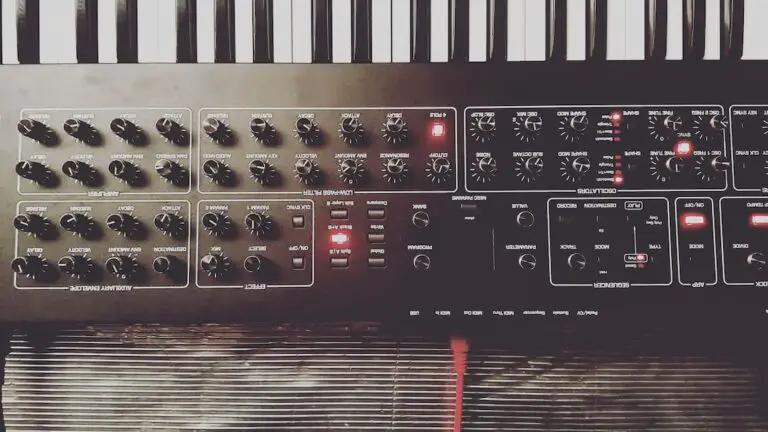
We at Synth Pop™ are gear nerds, and this track is a masterclass in 80s engineering. Producer Chris Hughes (who also worked with Adam and the Ants) pushed the band to embrace a “shuffle” rhythm.
The Gear List:
- Yamaha DX7: That iconic, glassy bell-like synth sound.
- LinnDrum: The backbone of the track. The programming here is legendary for its “swing” feel.
- Roland Jupiter-8: Used for the lush, warm pads that fill the stereo field.
Step-by-Step Production Magic:
- The Shuffle: They used a 12/8 time signature, which was unusual for pop at the time.
- The Layering: Roland and Chris layered multiple synth takes to create a “wall of sound” that didn’t feel cluttered.
- The Vocal Processing: Curt’s vocals were treated with just the right amount of Lexicon 224 reverb to make them feel ethereal yet present.
🌍 Global Influence: How Tears for Fears’ Biggest Hit Shaped Pop Culture
You can’t escape this song. It has been covered by everyone from Lorde (for The Hunger Games: Catching Fire) to Weezer. It represents a specific type of 80s optimism that was actually masking a deep-seated anxiety.
In 1986, the band even re-recorded it as “Everybody Wants to Run the World” for the Sport Aid charity campaign. It has become a shorthand for “The 80s” in cinema. If a director wants you to feel nostalgic, they drop that opening synth riff.
🎥 Music Video Breakdown: Visuals That Amplified Their Biggest Hit
The official music video (which you can find by searching for the #featured-video) is a masterpiece of Americana—ironic, considering the band is British.
- The Car: Curt Smith drives a dark green Austin-Healey 3000 convertible.
- The Location: Filmed across Southern California, including the iconic Cabazon Dinosaurs (which you might recognize from Pee-wee’s Big Adventure).
- The Vibe: It feels like a road trip through a dream. The shots of the band performing in a studio are intercut with dirt bikes and desert landscapes, creating a sense of vast, open freedom.
🎤 Live Performances and Covers: Keeping the Biggest Hit Alive
Tears for Fears aren’t just a studio band; they are incredible live performers. Even today, Roland and Curt sound nearly identical to their 1985 selves.
Notable Covers:
- Lorde: A dark, slowed-down version that highlights the “ruling the world” menace.
- Ninja Sex Party: A surprisingly faithful and high-energy synth-rock cover.
- Patti Smith: A soulful, acoustic-leaning interpretation.
💿 Where to Stream and Buy Tears for Fears’ Biggest Hit Today
If you want to own a piece of history, we highly recommend picking up the Super Deluxe Edition of Songs from the Big Chair. It contains high-fidelity remasters that make those synths sparkle like it’s 1985 all over again.
👉 Shop Tears for Fears on:
- Songs from the Big Chair (Vinyl/CD): Amazon | Walmart | Tears for Fears Official
- The Tipping Point (Latest Album): Amazon | Etsy (Vintage Merch)
👉 CHECK PRICE on:
- Tears for Fears Box Sets: Amazon
🛠️ Quick Tips for New Fans: How to Dive Deeper Into Tears for Fears’ Music
So you’ve heard the big hit. What’s next? Don’t just stop at the radio edits!
- Listen to “The Working Hour”: It’s the second track on Big Chair and features a saxophone intro that will change your life.
- Explore “The Hurting”: If you like the darker side of Iconic Synth Pop Songs, this album is essential.
- Watch the “Scenes from the Big Chair” Documentary: It gives a hilarious and insightful look into their mid-80s madness.
- Check out their 2022 comeback: The Tipping Point is arguably one of the best “legacy” albums ever released.
🔄 The Evolution of Tears for Fears’ Sound Post-Biggest Hit
After the massive success of the mid-80s, the band didn’t just repeat the formula. They went “full Beatles” with The Seeds of Love, spending a fortune on studio time to create a lush, orchestral pop sound.
They eventually split in the 90s (with Roland continuing under the name), but their reunion in the early 2000s proved that the chemistry between Orzabal’s songwriting and Smith’s “voice of the people” was irreplaceable. Their sound has evolved from cold synths to warm, organic arrangements, but that “Tears for Fears” DNA—the mix of intellect and melody—remains.
🧠 Why Tears for Fears’ Biggest Hit Still Resonates in 2024
Why does a 39-year-old song still feel like it was written yesterday?
Perhaps it’s because the world hasn’t changed that much. We still deal with power struggles, the desire for control, and the feeling that “nothing ever lasts forever.” But more than the lyrics, it’s the vibe. It’s a song that feels like a sunset; it’s beautiful, a little bit sad, but ultimately something you want to experience over and over again.
But wait—did you know there was a third member of the band who almost changed the sound of “Everybody Wants to Rule the World” entirely? We’ll get to that in the FAQ. 🤫
🎯 Conclusion: Wrapping Up the Legacy of Tears for Fears’ Biggest Hit

So, after cruising through synth waves, chart-topping stats, and iconic riffs, what’s the final word? “Everybody Wants to Rule the World” isn’t just Tears for Fears’ biggest hit—it’s a timeless anthem that perfectly captures the spirit of the 1980s while remaining hauntingly relevant today. Its infectious melody, layered production, and thought-provoking lyrics make it a masterpiece of synth pop and new wave.
✅ Positives:
- Timeless production that still sounds fresh
- Lyrics with depth and social commentary
- A perfect blend of synth textures and organic instrumentation
- Massive cultural impact and enduring popularity
❌ Negatives:
- Some listeners might overlook the lyrical depth due to its catchy tune
- The band’s other brilliant songs sometimes get overshadowed by this mega-hit
For anyone diving into Tears for Fears for the first time or rediscovering them, this track is the gateway drug to a catalog full of emotional complexity and sonic brilliance. And remember that intriguing tidbit from earlier? The third member who almost changed the song’s sound was producer Chris Hughes, whose insistence on the shuffle beat transformed the track from a potential throwaway into a global smash. Mystery solved! 🕵️ ♂️
📚 Recommended Links for Tears for Fears Fans
Ready to expand your Tears for Fears collection or learn more about the band’s history? Here are some essential buys and reads:
-
Songs from the Big Chair (Vinyl/CD):
Amazon | Walmart | Tears for Fears Official -
The Tipping Point (Latest Album):
Amazon | Etsy (Vintage Merch) -
Tears for Fears Box Sets:
Amazon -
Books:
“Tears for Fears: Songs from the Big Chair” by Dave Connolly – A deep dive into the making of their classic album.
Amazon Link
❓ Frequently Asked Questions About Tears for Fears’ Biggest Hit
What year was Tears for Fears’ biggest hit released?
“Everybody Wants to Rule the World” was released in 1985 as part of the album Songs from the Big Chair. It quickly became a global sensation, topping charts in the US and Canada and reaching #2 in the UK.
Which album features Tears for Fears’ most popular song?
The song is featured on their second studio album, Songs from the Big Chair, which marked a significant evolution in their sound from their darker debut The Hurting. This album is often considered their magnum opus.
How did Tears for Fears influence synth pop music?
Tears for Fears blended introspective lyrics with lush synth arrangements, pushing synth pop beyond mere dance music into emotionally complex territory. Their use of layered synths, drum machines like the LinnDrum, and incorporation of rock elements influenced bands like Depeche Mode and later modern synth pop acts. Their success helped legitimize synth pop as a serious art form in the mainstream.
What are the lyrics to Tears for Fears’ biggest hit?
The full lyrics to “Everybody Wants to Rule the World” are widely available on official lyric sites such as Genius. The song opens with the iconic line:
“Welcome to your life / There’s no turning back…”
The lyrics explore themes of power, control, and the ephemeral nature of freedom.
Are there any notable covers of Tears for Fears’ biggest hit?
Yes! Some of the most notable covers include:
- Lorde’s haunting version for The Hunger Games: Catching Fire soundtrack
- Ninja Sex Party’s energetic synth-rock take
- Patti Smith’s soulful acoustic rendition
These covers showcase the song’s versatility and enduring appeal.
What inspired Tears for Fears to write their biggest hit?
Roland Orzabal has explained that the song was inspired by the political tensions of the Cold War era, reflecting on the desire for power and the consequences that come with it. The lyrics also touch on media skepticism and fleeting freedoms, making it a layered social commentary wrapped in a catchy tune.
How does Tears for Fears’ biggest hit compare to other synth pop classics?
Compared to synth pop anthems like Depeche Mode’s “Enjoy the Silence” or New Order’s “Blue Monday”, “Everybody Wants to Rule the World” stands out for its perfect balance of accessibility and depth. Its shuffle rhythm and organic guitar solo add warmth and humanity, setting it apart from the colder, more mechanical synth tracks of the era.
🔗 Reference Links and Sources
- Tears for Fears – Wikipedia – Comprehensive band history and discography
- Billboard Artist Chart History – Chart performance details
- Smooth Radio: Tears for Fears Best Songs – Expert commentary on their hits
- Tears for Fears Official Website – Latest news and official releases
- Spotify Artist Page – Stream their music
- Genius Lyrics: Everybody Wants to Rule the World – Official lyrics and annotations
Ready to dive deeper? Check out our Iconic Synth Pop Songs and 80s Synth Pop categories for more gems like this!