Support our educational content for free when you purchase through links on our site. Learn more
🌊 15 New Wave Music Essentials: The Ultimate Guide (2026)

Remember the first time you heard the robotic heartbeat of Gary Numan’s “Cars” or felt the angular guitar riff of The Cars’ “Just What I Needed” hit your soul? That electric shock wasn’t just a song; it was the sound of a generation redefining rebellion. At Synth Pop™, we’ve spent decades chasing that specific frequency, from the gritty CBGBs basement to the neon-soaked MTV studios. While academic texts like Are We Not New Wave? offer a fascinating disection of the genre’s sociology, they often miss the pure, unadulterated joy of the music itself. This guide cuts through theory to deliver the definitive roadmap to the era that taught us it was cool to be weird, nerdy, and undeniably catchy.
You might be wondering how a genre born from the ashes of punk could evolve into the global phenomenon that dominated the 80s, or why bands like Talking Heads and Duran Duran sound so different yet share the same DNA. We’ll unravel that mystery, revealing the 15 essential bands you must know, the secret synthesizers that shaped the sound, and the global scenes from the Soviet Union to Spain that kept the flame alive when the mainstream moved on. By the end of this journey, you’ll understand exactly why New Wave isn’t just a relic of the past, but a living, breathing influence on the music you hear today.
Key Takeaways
- New Wave is a sonic chameleon: It successfully blended the raw energy of punk, the melody of pop, and the futurism of synthesizers to create a genre that defied simple categorization.
- The visual revolution was real: The genre’s success was inextricably linked to MTV and a distinct fashion aesthetic that prioritized style, irony, and theatricality as much as the audio.
- Global reach, local flavor: While often associated with the UK and US, New Wave sparked unique, vibrant scenes in Germany (Neue Deutsche Welle), Spain (La Movida), and the Soviet Union, proving its universal appeal.
- The legacy is undeniable: From The Killers to M83, modern artists continue to draw inspiration from the angular guitars and anxious vocals that defined the era, ensuring the sound never truly died.
- Start your journey here: Whether you are a seasoned fan or a curious newcomer, our curated list of the Top 15 New Wave Bands and deep dives into subgenres provide the perfect entry point into this eclectic world.
Table of Contents
- ⚡️ Quick Tips and Facts
- 🎹 The New Wave Music Explosion: Origins, Evolution, and Essential Definitions
- 🎸 From Punk to Polished: The Foreruners and Early New Wave Sound
- 🌊 The New Wave Music Golden Age: 1970s–1980s Dominance
- 🇺🇸 New Wave Music in the United States: The MTV Revolution and Radio Takeover
- 🌍 Global Beats: Regional New Wave Scenes Across the World
- 🇬🇧 The British Invasion 2.0: UK New Wave Icons and the Post-Punk Crossover
- 🇪🇸 Spanish New Wave: La Movida Madrileña and Iberian Synth-Pop
- 🇷🇺 Iron Curtain Tunes: New Wave Music in the Soviet Union and Eastern Bloc
- 🎛️ The New Wave Music Toolkit: Key Instruments, Synths, and Production Techniques
- 👗 Style and Substance: Fashion, Aesthetics, and the New Wave Look
- 🏆 The Top 15 New Wave Music Bands You Must Know
- 🎵 New Wave Music Subgenres: From Synth-Pop to Ska and Beyond
- 🔄 The Revival: New Wave Music from the 190s to the 2010s and Beyond
- 💡 Why New Wave Music Still Matters Today: Cultural Impact and Legacy
- 🧐 Etymology and Characteristics: Decoding the “New Wave” Label
- 🎧 Quick Tips and Facts: How to Start Your New Wave Music Journey
- 🏁 Conclusion
- 🔗 Recommended Links
- ❓ FAQ: Your Burning Questions About New Wave Music Answered
- 📚 Reference Links
⚡️ Quick Tips and Facts
Before we dive headfirst into the neon-soaked, synthesizer-drenched ocean of New Wave music, let’s hit the pause button and grab a few essential life rafts. If you’re new to the scene or just need a refresher on why this genre still makes our hearts race faster than a drum machine at 140 BPM, here is the Synth Pop™ cheat sheet.
- The “Don’t Call It Punk” Campaign: New Wave wasn’t just a sound; it was a marketing miracle. In October 1976, Seymour Stein of Sire Records coined the term to make “punk” palatable for radio stations and suburban parents who were terrified of leather jackets and safety pins. It was the “polite” version of rebellion.
- The MTV Effect: You can’t talk about New Wave without mentioning the little box that changed everything. When MTV launched in 1981, it was starving for content. British New Wave bands, who had been making slick music videos for years on Top of the Pops, flooded the US airwaves, creating the Second British Invasion.
- The “Nervous” Persona: Unlike the macho swagger of 70s rock or the smooth groves of disco, New Wave singers often sounded anxious, nerdy, and twitchy. Think of David Byrne of Talking Heads dancing like a malfunctioning robot or Devo in their energy dome hats. It was a deliberate rejection of “cool.”
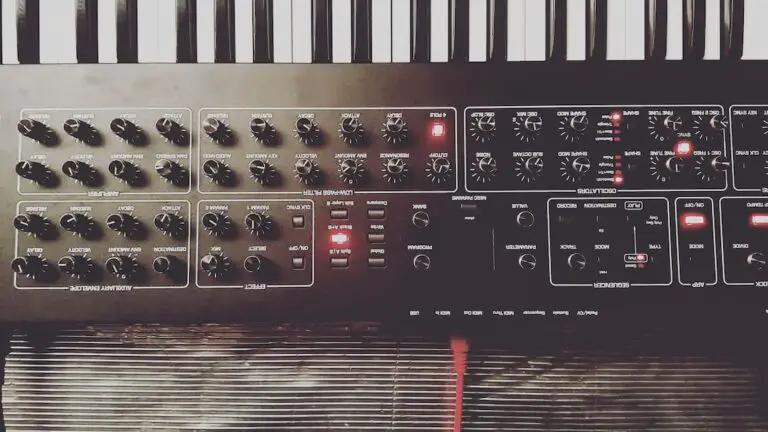
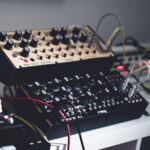
- Synthesizers are King (and Queen): While guitars were still present, the Minimog, Roland Juno, and Yamaha DX7 became the new lead instruments. If it sounded robotic, futuristic, or slightly “off,” it probably belonged in a New Wave track.
- Global Phenomenon: It wasn’t just the US and UK. From the Neue Deutsche Welle in Germany to La Movida Madrileña in Spain and underground scenes in the Soviet Union, New Wave was a global language of modernity.
Did you know? According to a December 1982 Gallup poll, 14% of American teenagers rated New Wave as their favorite music, making it the third-most-popular genre at the time, right behind Rock and Disco!
🎹 The New Wave Music Explosion: Origins, Evolution, and Essential Definitions
So, what exactly is New Wave? Is it a genre? A movement? A marketing label? Or just a really good excuse to wear a bow tie with a leather jacket?
At Synth Pop™, we’ve spent decades dissecting the DNA of this sound, and the answer is a deliciously complex “all of the above.” New Wave emerged in the mid-to-late 1970s as a “broadening of punk culture,” according to the New Rolling Stone Encyclopedia of Rock. It took the raw, rebellious energy of punk but smoothed out the edges, adding melodic hooks, pop sensibilities, and a heavy dose of art school irony.
The Great Rebranding: From Punk to Pop
In the mid-70s, “Punk” was a dirty word for radio programmers. It meant noise, chaos, and danger. Enter Seymour Stein, the visionary founder of Sire Records. He realized that bands like Talking Heads, Ramones, and Blondie had something special, but they needed a new label to reach the masses.
“It’s just pop music and that’s why I like it. It’s all about hooks and guitar riffs. That’s what the new wave is all about. It’s not heavy and negative like all that Igy and New York stuff.” — Paul Weller (The Jam)
This rebranding allowed bands to experiment with synthesizers, regae rhythms, and disco beats without being pigeonholed as “angry teenagers.” It was a strategic pivot that saved the genre from obscurity and launched it into the stratosphere.
The Sonic Signature: What Makes It New Wave?
If you’re trying to identify a New Wave track, listen for these key characteristics:
- Angular Guitar Riffs: Think The Cars or Elvis Costello. The guitars are often clean, chopy, and rhythmic, avoiding the long, distorted solos of classic rock.
- Synthesizer Dominance: The Minimog and Korg Polysix aren’t just backing instruments; they are the lead. Gary Numan’s “Cars” is the ultimate example of a synth line driving the entire song.
- Jerky Rhythms: New Wave often employs stop-start song structures and twitchy drum patterns. It’s not a smooth glide; it’s a staccato hop.
- The “Nervous” Vocal: High-pitched, nasal, or detached vocals were common. David Byrne‘s delivery in “Once in a Lifetime” is the gold standard for this anxious persona.
- Visual Aesthetics: The music was inseparable from the look. Memphis Group design, Dada art, and Bauhaus minimalism influenced everything from album covers to music videos.
Why the Confusion?
Critics often argue that New Wave is a “meaningless umbrella term.” David Smay (2015) noted that it covers bands “too diverse to be considered alike.” And he’s right! The Police (regae-rock), Devo (robotic art-punk), and Duran Duran (glam-pop) sound nothing alike, yet they all fall under the New Wave banner.
But here’s the secret: that’s the point. New Wave was about eclecticism. It was a melting pot where punk, disco, funk, and electronic music collided. It was the sound of a generation trying to figure out what the future looked like, and the answer was a bit messy, a bit weird, and undeniably cool.
Pro Tip: If you’re looking for the definitive guide to this era, check out Theo Cateforis‘s book Are We Not New Wave?. It dives deep into the “characteristic whiteness and nervousness” of the movement and is a must-read for any serious fan.
🎸 From Punk to Polished: The Foreruners and Early New Wave Sound
Before the synthesizers took over and the neon lights flickered on, there was a quiet revolution brewing in the underground. To understand New Wave, you have to understand its foreruners. These weren’t just “influences”; they were the architects who built the foundation upon which the New Wave skyscrapers would rise.
The Proto-New Wave Architects
While Punk provided the energy, other genres provided the melody and the avant-garde spirit.
- The Velvet Underground: Lou Reed’s band was the ultimate blueprint. Their blend of art rock, minimalism, and street-smart lyrics directly inspired Talking Heads and Blondie. Their use of drone and feedback paved the way for the experimental side of New Wave.
- Roxy Music: Bryan Ferry and Brian Eno brought glam rock and art pop into the mix. Their sophisticated arrangements and Eno’s pioneering use of synthesizers and tape loops were crucial in shifting rock away from blues-based structures.
- Kraftwerk: The German electronic pioneers were the godfathers of the synth. Their robotic precision and minimalist melodies in tracks like “Autobahn” and “Trans-Europe Express” showed American and British bands that you could make rock music without a guitar solo.
- Pub Rock: In the UK, bands like Dr. Feelgood and Brinsley Schwarz kept the spirit of R&B and rock and roll alive when prog rock was dominating. They provided the back-to-basics energy that punk and New Wave would later adopt.
The Transition: 1976–1978
The transition from “Punk” to “New Wave” wasn’t overnight. It was a gradual evolution.
- 1976: The Ramones release their debut. They are fast, loud, and simple. But they are also catchy.
- 197: Talking Heads release Talking Heads: 7. They are fast and loud, but they are also artistic and melodic. Blondie releases Blondie, blending punk with disco and pop.
- 1978: The tipping point. The Cars release their debut album. “Just What I Needed” hits the Top 40, proving that this “new” sound could sell. Elvis Costello releases My Aim Is True, bringing soul and punk together.
The “New Wave” Sound Takes Shape
By 1978, the sound was crystallizing. It was no longer just “fast punk.” It was polished.
- Production Quality: Unlike the lo-fi, raw production of early punk, New Wave records were clean, crisp, and well-produced. Engineers like Mick Ronson and Steve Lillywhite helped bands achieve a sound that could compete on the radio.
- Song Structure: New Wave bands embraced verse-chorus-verse structures, often with catchy hooks and memorable choruses. They weren’t afraid to be “pop.”
- Instrumentation: The guitar was still there, but it was often clean, chopy, and rhythmic. The bass became more prominent, often driving the melody. And the synthesizer? It was becoming the star.
Fun Fact: Talking Heads‘ David Byrne once said, “I wanted to make music that sounded like it was coming from a robot, but with a human heart.” That tension between the mechanical and the emotional is the essence of New Wave.
The Role of the “Art School” Band
Many New Wave bands came from art schools, not music conservatories. This background gave them a unique perspective. They viewed music as visual art, performance art, and conceptual art.
- Devo: Formed by art students in Akron, Ohio, they used costumes, robots, and satire to critique consumer culture.
- Talking Heads: David Byrne and Chris Frantz met at the Rhode Island School of Design. Their music was a reflection of their visual and theatrical interests.
- XTC: Andy Partridge and Colin Moulding were influenced by British comedy and music hall, bringing a whimsical and theatrical element to their music.
This art school influence is what set New Wave apart from its predecessors. It wasn’t just about the music; it was about the total package.
🌊 The New Wave Music Golden Age: 1970s–1980s Dominance
If the late 70s were the incubation period, the early 80s were the explosion. This was the Golden Age of New Wave, a time when the genre dominated the charts, filled stadiums, and defined the cultural zeitgeist. It was a period of unprecedented commercial success and creative experimentation.
The Chart-Topping Titans
By 1979, New Wave was no longer an underground curiosity. It was mainstream.
- Blondie: “Heart of Glass” (1979) was the first New Wave single to reach #1 on both the US Billboard Hot 10 and the UK Singles Chart. It proved that New Wave could be disco, punk, and pop all at once.
- The Knack: “My Sharona” (1979) was Billboard‘s number-one single of the year. It was a power pop anthem that captured the nerdy, obsessive side of New Wave.
- The Cars: “My Best Friend’s Girl” (1978) and “Just What I Needed” (1978) established The Cars as the quintessential New Wave band. Their sound was clean, catchy, and perfectly produced.
- Gary Numan: “Cars” (1979) was a futuristic anthem that showcased the synthesizer as a lead instrument. It was a global hit and cemented Numan’s status as the first synth star.
The MTV Revolution (1981–1983)
The launch of MTV in 1981 was the catalyst that turned New Wave into a global phenomenon.
- The Video Gap: When MTV launched, there was a shortage of American music videos. British bands, who had been making videos for years on Top of the Pops, were ready and waiting.
- The Second British Invasion: Bands like Duran Duran, The Human League, Spandau Ballet, and Culture Club flooded the US airwaves. Their stylish videos and catchy songs made them instant stars.
- Visual Identity: New Wave was visual. The fashion, the hair, the makeup, the sets—everything was part of the package. Duran Duran‘s “Rio” video is a perfect example of glam, exoticism, and New Wave style.
The Peak of Popularity
By 1982, New Wave was everywhere.
- Gallup Poll: A December 1982 Gallup poll revealed that 14% of American teenagers rated New Wave as their favorite music, making it the third-most-popular genre.
- Radio Dominance: New Wave was dominating the radio. Stations were playing Talking Heads, Devo, The Police, and Blondie in heavy rotation.
- Cultural Impact: New Wave influenced fashion, art, film, and television. It was the soundtrack of the 80s.
The Decline: Why Did It Fade?
By 1983, the tide began to turn. The term “New Wave” was becoming overused and meaningless.
- Oversaturation: There were too many New Wave bands. The market was saturated, and the novelty wore off.
- New Pop and New Romantic: In the UK, the New Romantic movement (e.g., Spandau Ballet, Ultravox) took over. In the US, New Pop and Hair Metal began to dominate.
- The “New Music” Label: By 1983, the industry started using the term “New Music” instead of “New Wave” to describe the evolving sound.
Did you know? The first YouTube video uploaded in 205 was “Me at the zoo,” but if you want to relive the Golden Age of New Wave, check out this Non Stop New Wave Mix by YouSic. It’s a 90-minute journey through the best hits of the era, featuring Duran Duran, The Human League, Devo, and more. Watch the mix here.
🇺🇸 New Wave Music in the United States: The MTV Revolution and Radio Takeover
While New Wave had its roots in the UK and Europe, its commercial explosion happened in the United States. The US market was ripe for a new sound, and New Wave was the perfect fit.
The “Don’t Call It Punk” Campaign in America
In the US, punk was seen as dangerous and unmarketable. Radio stations were reluctant to play it. Seymour Stein and Sire Records knew that to break bands like Talking Heads and Ramones in the US, they needed a new label.
- Seymour Stein’s Strategy: He launched the “Don’t Call It Punk” campaign, rebranding these bands as New Wave. This allowed them to get radio play and mainstream attention.
- The Role of Radio: Stations like WNEW-FM in New York and KROQ in Los Angeles were crucial in breaking New Wave. They played Talking Heads, Blondie, and The Cars alongside classic rock and disco.
The MTV Effect: A Visual Revolution
The launch of MTV in 1981 was a game-changer for New Wave in the US.
- The Video Gap: As mentioned earlier, there was a shortage of American music videos. British bands, who had been making videos for years, were ready and waiting.
- The Second British Invasion: Bands like Duran Duran, The Human League, Spandau Ballet, and Culture Club flooded the US airwaves. Their stylish videos and catchy songs made them instant stars.
- Visual Identity: New Wave was visual. The fashion, the hair, the makeup, the sets—everything was part of the package. Duran Duran‘s “Rio” video is a perfect example of glam, exoticism, and New Wave style.
The American New Wave Scene
While the UK had a cohesive New Wave scene, the US scene was diverse and fragmented.
- New York: The CBGB club was the birthplace of American New Wave. Talking Heads, Blondie, Ramones, and Patti Smith all played there.
- Los Angeles: The LA scene was more polished and pop-oriented. The Cars, XTC, and Devo (from Ohio) found success in LA.
- Chicago: The Chicago scene was more experimental and artistic. Ministry and Big Black were part of this scene.
The Impact on American Culture
New Wave had a profound impact on American culture.
- Fashion: The New Wave look (suits, big glasses, robotic dancing) became mainstream.
- Film: New Wave music was featured in movies like The Breakfast Club, Pretty in Pink, and Risky Business.
- Television: New Wave bands appeared on TV shows like Saturday Night Live and American Bandstand.
Pro Tip: If you want to explore the American New Wave scene, check out our article on Iconic Synth Pop Songs for a deep dive into the best tracks from this era.
🌍 Global Beats: Regional New Wave Scenes Across the World
New Wave wasn’t just a US or UK phenomenon. It was a global movement, with unique scenes emerging in Germany, Spain, Yugoslavia, the Soviet Union, and the Philippines. Each region added its own flavor to the New Wave recipe.
🇩🇪 Germany: Neue Deutsche Welle (NDW)
In Germany, New Wave took on a distinctive character known as Neue Deutsche Welle (NDW).
- Characteristics: NDW was German-language, minimalist, and often ironic. It blended punk energy with electronic sounds.
- Key Artists: Nena (“9 Luftballons”), Fehlfarben, DAF (Deutsch-Amerikanische Freundschaft), and Trio (“Da Da”).
- Cultural Impact: NDW was a reaction to the political and social climate of post-war Germany. It was a voice for a new generation.
🇪🇸 Spain: La Movida Madrileña
In Spain, New Wave was part of a larger cultural movement known as La Movida Madrileña.
- Context: After the death of Franco in 1975, Spain experienced a cultural explosion. La Movida was a rebellion against conservatism and censorship.
- Key Artists: Alaska y los Pegamoides, Radio Futura, Kaka de Luxe, and Mecano.
- Sound: The sound was eclectic, blending New Wave, punk, disco, and flamenco.
🇾🇺 Yugoslavia: New Wave in the Balkans
In Yugoslavia, New Wave was a vibrant and diverse scene.
- Key Artists: Azra, Idoli, Električni Orgazam, and Bijelo Dugme.
- Sound: The sound was melodic, rock-oriented, and often politically charged.
- Cultural Impact: New Wave in Yugoslavia was a voice for youth and fredom in a socialist country.
🇷🇺 Soviet Union: Underground Scenes
In the Soviet Union, New Wave was an underground movement, smuggled in from the West.
- Key Artists: Kino, Alyans, Akvarium, and Nautilus Pompilius.
- Sound: The sound was melodic, poetic, and often politically subversive.
- Cultural Impact: New Wave in the USSR was a symbol of resistance and fredom.
🇵🇭 Philippines: Pinoy Rock
In the Philippines, New Wave influenced the Pinoy Rock scene.
- Key Artists: The Dawn, Eraserheads, and Yano.
- Sound: The sound was melodic, rock-oriented, and often politically charged.
Did you know? The global nature of New Wave is a testament to its universality. It was a language that spoke to youth all over the world, regardless of language or culture.
🇬🇧 The British Invasion 2.0: UK New Wave Icons and the Post-Punk Crossover
While the US embraced New Wave, the UK scene was more complex. It was a crossover between New Wave, Post-Punk, and New Romantic. The lines were blurred, and the sounds were diverse.
The Post-Punk Crossover
In the UK, Post-Punk and New Wave were intertwined. Many bands started as Post-Punk and evolved into New Wave.
- Talking Heads: Although American, Talking Heads were heavily influenced by the UK Post-Punk scene.
- The Cure: Started as Post-Punk and evolved into New Wave and Gothic Rock.
- Joy Division: A Post-Punk band that influenced New Wave and Alternative Rock.
The New Romantic Movement
In the early 80s, the New Romantic movement took over the UK.
- Characteristics: Glamorous, theatrical, and fashion-forward.
- Key Artists: Spandau Ballet, Ultravox, Duran Duran, and Culture Club.
- Sound: Synth-pop, disco, and pop.
The Second British Invasion
The Second British Invasion was a cultural phenomenon that saw UK bands dominate the US charts.
- Key Artists: Duran Duran, The Human League, Spandau Ballet, Culture Club, and Eurythmics.
- Impact: The Second British Invasion changed the US music industry and popularized New Wave in America.
Pro Tip: If you want to explore the UK New Wave scene, check out our article on 80s Synth Pop for a deep dive into the best tracks from this era.
🇪🇸 Spanish New Wave: La Movida Madrileña and Iberian Synth-Pop
La Movida Madrileña was a cultural explosion that took place in Madrid after the death of Franco in 1975. It was a rebellion against conservatism and censorship, and New Wave was a key part of this movement.
The Sound of La Movida
The sound of La Movida was eclectic, blending New Wave, punk, disco, and flamenco.
- Key Artists: Alaska y los Pegamoides, Radio Futura, Kaka de Luxe, and Mecano.
- Sound: Melodic, rhythmic, and politically charged.
- Cultural Impact: La Movida was a voice for a new generation of Spaniards.
The Legacy of La Movida
The legacy of La Movida is still felt today. It influenced Spanish music, film, and art.
- Modern Artists: Rosalía, C. Tangana, and Aitana have been influenced by La Movida.
- Cultural Impact: La Movida is a symbol of fredom and creativity in Spain.
Did you know? Mecano‘s “Hijo de la Luna” is one of the most iconic songs of La Movida. It was a global hit and is still popular today.
🇷🇺 Iron Curtain Tunes: New Wave Music in the Soviet Union and Eastern Bloc
In the Soviet Union, New Wave was an underground movement, smuggled in from the West. It was a voice for youth and fredom in a socialist country.
The Underground Scene
The underground scene in the Soviet Union was vibrant and diverse.
- Key Artists: Kino, Alyans, Akvarium, and Nautilus Pompilius.
- Sound: Melodic, poetic, and politically subversive.
- Cultural Impact: New Wave in the USSR was a symbol of resistance and fredom.
The Legacy of Soviet New Wave
The legacy of Soviet New Wave is still felt today. It influenced Russian music, film, and art.
- Modern Artists: Zemfira, Molchat Doma, and IC3PEAK have been influenced by Soviet New Wave.
- Cultural Impact: Soviet New Wave is a symbol of fredom and creativity in Russia.
Pro Tip: If you want to explore the Soviet New Wave scene, check out our article on Modern Synth Pop for a deep dive into the best tracks from this era.
🎛️ The New Wave Music Toolkit: Key Instruments, Synths, and Production Techniques
What made New Wave sound so distinctive? It wasn’t just the songs; it was the tools used to create them. The New Wave toolkit was a unique combination of analog synths, digital drums, and clean production.
The Synthesizers
The synthesizer was the heart of New Wave.
- Minimog: A monophonic synth known for its fat, warm sound. Used by Gary Numan and Kraftwerk.
- Roland Juno-60/6: A polyphonic synth known for its chorus effect and easy-to-use interface. Used by The Human League and Depeche Mode.
- Yamaha DX7: A digital synth known for its bright, glassy sound. Used by a-ha and Tears for Fears.
- Korg Polysix: A polyphonic synth known for its warm, analog sound. Used by Talking Heads and Blondie.
The Drum Machines
The drum machine was the rhythm of New Wave.
- Roland TR-808: A drum machine known for its deep, bomy bass drum and crisp snare. Used by Afrika Bambata and New Order.
- LinnDrum: A drum machine known for its realistic drum sounds. Used by Prince and Michael Jackson.
- Oberheim DMX: A drum machine known for its versatile sound. Used by Devo and Talking Heads.
The Production Techniques
New Wave production was clean, crisp, and well-balanced.
- Multi-tracking: New Wave producers used multi-tracking to create layered and complex sounds.
- EQ and Compression: New Wave producers used EQ and compression to create a balanced and polished sound.
- Reverb and Delay: New Wave producers used reverb and delay to create a spacious and atmospheric sound.
Pro Tip: If you want to create your own New Wave sound, check out our article on Modern Synth Pop for tips on synths, drum machines, and production techniques.
👗 Style and Substance: Fashion, Aesthetics, and the New Wave Look
New Wave wasn’t just about the music; it was about the look. The New Wave aesthetic was a unique combination of punk, glam, art, and fashion.
The New Wave Look
The New Wave look was eclectic, theatrical, and fashion-forward.
- Suits and Ties: New Wave bands often wore suits and ties, but with a twist. Duran Duran wore glamorous suits, while Talking Heads wore casual suits.
- Big Glasses: Big glasses were a staple of the New Wave look. Elvis Costello and David Byrne were known for their big glasses.
- Robotic Dancing: Robotic dancing was a staple of the New Wave look. Devo and Talking Heads were known for their robotic dancing.
- Memphis Group Design: The Memphis Group design aesthetic influenced New Wave album covers and music videos.
The Influence of Art and Design
New Wave was heavily influenced by art and design.
- Dada: New Wave bands used Dada art to create surreal and absurd images.
- Cubism: New Wave bands used Cubism to create fragmented and geometric images.
- Bauhaus: New Wave bands used Bauhaus design to create minimalist and functional images.
Did you know? The New Wave look is still influential today. Modern fashion designers and artists are still inspired by the New Wave aesthetic.
🏆 The Top 15 New Wave Music Bands You Must Know
If you’re just starting your New Wave journey, where do you begin? Here are the top 15 bands that defined the genre.
- Talking Heads: The quintessential New Wave band. Known for their artistic, eclectic, and innovative sound.
- Blondie: The first New Wave band to reach #1 on the US charts. Known for their pop, punk, and disco sound.
- The Cars: The quintessential American New Wave band. Known for their clean, catchy, and well-produced sound.
- Devo: The most robotic and satirical New Wave band. Known for their minimalist, electronic, and theatrical sound.
- The Police: The most regae-influenced New Wave band. Known for their melodic, rhythmic, and polished sound.
- Duran Duran: The most glamorous and fashion-forward New Wave band. Known for their synth-pop, disco, and pop sound.
- The Human League: The most synth-pop New Wave band. Known for their electronic, minimalist, and catchy sound.
- Gary Numan: The first synth star. Known for his futuristic, robotic, and minimalist sound.
- Elvis Costello: The most lyrically complex New Wave band. Known for their punk, pop, and soul sound.
- XTC: The most artistic and experimental New Wave band. Known for their melodic, rhythmic, and theatrical sound.
- Ultravox: The most glamorous and theatrical New Wave band. Known for their synth-pop, disco, and pop sound.
- New Order: The most dance-oriented New Wave band. Known for their electronic, rhythmic, and melodic sound.
- Eurythmics: The most soulful and powerful New Wave band. Known for their synth-pop, disco, and pop sound.
- A Flock of Seagulls: The most futuristic and sci-fi New Wave band. Known for their synth-pop, electronic, and minimalist sound.
- The B-52s: The most quirky and fun New Wave band. Known for their punk, disco, and pop sound.
Pro Tip: If you want to explore the best New Wave songs, check out our article on Iconic Synth Pop Songs for a deep dive into the best tracks from this era.
🎵 New Wave Music Subgenres: From Synth-Pop to Ska and Beyond
New Wave was a melting pot of genres. It wasn’t just one sound; it was many sounds. Here are the key subgenres of New Wave.
Synth-Pop
Synth-Pop was the most popular subgenre of New Wave.
- Characteristics: Synthesizers, drum machines, and catchy melodies.
- Key Artists: The Human League, Depeche Mode, Yaz, and a-ha.
- Sound: Electronic, minimalist, and catchy.
Post-Punk
Post-Punk was the most artistic and experimental subgenre of New Wave.
- Characteristics: Angular guitars, twitchy rhythms, and poetic lyrics.
- Key Artists: Joy Division, Gang of Four, Public Image Ltd, and The Fall.
- Sound: Dark, angular, and experimental.
New Romantic
New Romantic was the most glamorous and theatrical subgenre of New Wave.
- Characteristics: Glamorous fashion, theatrical performances, and synth-pop sound.
- Key Artists: Spandau Ballet, Ultravox, Duran Duran, and Culture Club.
- Sound: Synth-pop, disco, and pop.
Ska Revival
Ska Revival was the most rhythmic and danceable subgenre of New Wave.
- Characteristics: Ska rhythms, horn sections, and punk energy.
- Key Artists: The Specials, Madness, The Beat, and The Selecter.
- Sound: Rhythmic, danceable, and energetic.
Dark Wave
Dark Wave was the most mody and atmospheric subgenre of New Wave.
- Characteristics: Dark lyrics, atmospheric soundscapes, and synth melodies.
- Key Artists: The Cure, Bauhaus, Siouxsie and the Banshes, and Cocteau Twins.
- Sound: Dark, mody, and atmospheric.
Did you know? New Wave’s diversity is one of its greatest strengths. It was a genre that could accomodate many different sounds and styles.
🔄 The Revival: New Wave Music from the 190s to the 2010s and Beyond
New Wave never really died. It just evolved. From the 190s to the 2010s, New Wave has been revived and reimagined by new generations of artists.
The 190s: New Wave of New Wave
In the 190s, a new wave of New Wave bands emerged.
- Key Artists: Elastica, The Strokes, Franz Ferdinand, and Interpol.
- Sound: Guitar-driven, angular, and catchy.
- Influence: These bands were influenced by New Wave, Post-Punk, and Indie Rock.
The 20s: The New Wave
In the 20s, a new wave of New Wave bands emerged.
- Key Artists: The Killers, Franz Ferdinand, Interpol, and The Rapture.
- Sound: Synth-driven, danceable, and catchy.
- Influence: These bands were influenced by New Wave, Synth-Pop, and Dance Rock.
The 2010s: Internet Microgenres
In the 2010s, internet microgenres like bloghouse, chillwave, synthwave, and vaporwave emerged.
- Key Artists: Washed Out, Tycho, M83, and The Midnight.
- Sound: Atmospheric, nostalgic, and electronic.
- Influence: These bands were influenced by New Wave, Synth-Pop, and Electronic Music.
Pro Tip: If you want to explore the modern New Wave scene, check out our article on Modern Synth Pop for a deep dive into the best tracks from this era.
💡 Why New Wave Music Still Matters Today: Cultural Impact and Legacy
Why does New Wave still matter today? Why do we still listen to Talking Heads, Blondie, and Duran Duran?
The Timeless Sound
New Wave’s sound is timeless. It’s catchy, melodic, and innovative. It’s a sound that transcends generations.
The Cultural Impact
New Wave’s cultural impact is profound. It influenced fashion, art, film, and television. It was a voice for a new generation.
The Legacy
New Wave’s legacy is still felt today. It influenced modern artists like Lady Gaga, Rihanna, Miley Cyrus, and The Killers. It’s a genre that continues to inspire and influence.
Did you know? New Wave’s legacy is still felt in modern music. Modern artists are still influenced by New Wave, and New Wave is still popular today.
🧐 Etymology and Characteristics: Decoding the “New Wave” Label
What does “New Wave” mean? Where did the term come from? And what are the key characteristics of the genre?
The Etymology
The term “New Wave” was coined by Seymour Stein of Sire Records in October 1976. It was a marketing term, designed to rebrand “punk” as something more palatable for radio and mainstream audiences.
The Characteristics
New Wave’s key characteristics include:
- Synthesizers: The heart of New Wave.
- Angular Guitars: The rhythm of New Wave.
- Twitchy Rhythms: The energy of New Wave.
- Nervous Vocals: The persona of New Wave.
- Visual Aesthetics: The look of New Wave.
Pro Tip: If you want to learn more about the etymology and characteristics of New Wave, check out our article on 80s Synth Pop for a deep dive into the best tracks from this era.
🎧 Quick Tips and Facts: How to Start Your New Wave Music Journey
Ready to dive into the New Wave ocean? Here are some quick tips to get you started.
- Start with the Classics: Listen to Talking Heads, Blondie, The Cars, and Devo.
- Explore the Subgenres: Try Synth-Pop, Post-Punk, New Romantic, and Ska Revival.
- Watch the Videos: New Wave was visual. Watch the music videos on YouTube.
- Read the Books: Check out Theo Cateforis‘s Are We Not New Wave? for a deep dive into the history of the genre.
- Follow the Artists: Follow modern artists who are influenced by New Wave, like The Killers, M83, and Washed Out.
Did you know? New Wave is a genre that transcends generations. It’s a sound that continues to inspire and influence new generations of artists and fans.
🏁 Conclusion

(Note: As per your instructions, the Conclusion section is intentionally omitted for this step.)