Support our educational content for free when you purchase through links on our site. Learn more
What Happened to the Human League? The 2026 Truth 🤖

What really happened to the Human League? Did they vanish into the digital ether, or are they still out there, synthesizing the future? The short answer is a resounding no, they never left. In fact, the trio of Philip Oakey, Joanne Catherall, and Susan Ann Suley are more active than ever, touring the globe and proving that the “schoolgirl” recruits who saved a 1980 tour became the definitive voice of a generation.
We’ve all heard the rumors: the band split, the magic faded, or perhaps the original founders reclaimed the name. But the reality is far more fascinating. From the Great Schism of 1980 that birthed Heaven 17 to the MTV explosion of “Don’t You Want Me,” and through decades of reinvention, the Human League has navigated the treacherous waters of the music industry with a resilience that few bands can match. In this deep dive, we uncover the legal battles, the unreleased albums, and the surprising reasons why a reunion with Martyn Ware and Ian Craig Marsh remains a fantasy.
Whether you’re a die-hard fan of the Dare era or a newcomer discovering the icy textures of their early industrial roots, this guide answers every burning question about their past, present, and future. We’ll reveal why their 2026 tour is selling out arenas and how they continue to influence modern synth-pop giants. Ready to decode the mystery? Keep reading to find out why the Human League is not just a relic of the 80s, but a living, breathing force in music history.
Key Takeaways
- The Band Never Disbanded: Despite the 1980 split that saw founders Martyn Ware and Ian Craig Marsh leave, Philip Oakey retained the rights to the name and built the current lineup with Joanne Catherall and Susan Ann Suley, who have been with the band since 1980.
- Commercial Peak & Decline: The band achieved global superstardom with the 1981 album Dare and the hit “Don’t You Want Me,” but faced commercial challenges in the late 80s and 90s before finding a new, stable audience in the 21st century.
- No Reunion in Sight: While fans often dream of the original lineup reuniting, creative differences and legal complexities make a full reunion highly unlikely; the current trio continues tour and release new music.
- Enduring Legacy: The Human League remains a pivotal influence on modern electronic music, with their sound echoing in the work of artists like Chvrches and The Weeknd, and they are actively touring in 2026.
Table of Contents
- ⚡️ Quick Tips and Facts
- 🎹 The Human League Origins: From Sheffield Synth-Pop Pioners to Global Icons
- 🚨 The Great Schism: What Really Happened When the Band Split in 1980?
- 🏆 Dare Era Dominance: How “Don’t You Want Me” Conquered the World
- 📉 The Commercial Decline: Analyzing Hysteria, Crash, and the 1980s Pop Shift
- 🔄 Phil Oakey vs. The Original Members: The Legal Battles and Reunions That Never Were
- 🎤 Line-Up Evolution: Tracking the Human League Members and Vocalists Through the Decades
- 🎵 Musical Style and Legacy: From Industrial Noise to Chart-Topping Synth-Pop
- 💿 Discography Deep Dive: Ranking Every Human League Studio Album from Reproduction to Credo
- 🏅 Awards, Nominations, and Critical Aclaim: Did They Get the Recognition They Deserved?
- 📅 The Human League Timeline: A Year-by-Year Breakdown of Tours, Releases, and Drama
- 🎧 Why the Human League Still Matters: Influence on Modern Synth-Pop and New Wave
- 🎸 Live Performance Review: What to Expect at a Human League Concert Today
- ❓ Frequently Asked Questions About the Human League’s History and Current Status
- 🔗 Recommended Links: Essential Reading, Interviews, and Fan Communities
- 📚 Reference Links: Official Sources and Historical Archives
- 🏁 Conclusion: The Enduring Mystery of the Human League
⚡️ Quick Tips and Facts
Before we dive into the deep end of the synth-pop ocean, let’s get the essential facts straight. If you’re wondering, “What happened to the Human League?” the short answer is: they never left, they just evolved.
- The Core Trio: The band is still active today, consisting of Philip Oakey, Joanne Catherall, and Susan Ann Suley. They have been together since 1980.
- The Great Split: In 1980, founders Martyn Ware and Ian Craig Marsh left to form Heaven 17, leaving Oakey with the name and a massive debt.
- The “Schoolgirl” Recruits: Oakey famously hired Catherall and Suley, then 17-year-old students, from the Crazy Daisy Nightclub in Sheffield to save a tour. They became the face of the band.
- Global Domination: Their 1981 album Dare is one of the best-selling albums in UK history, featuring the #1 hit “Don’t You Want Me”.
- Current Status: As of 2026, they are touring globally. For the latest updates on their 2026 American tour and future plans, check out our deep dive: Are The Human League Still Together? The 2026 Truth 🤖.
- Legacy: They are credited with pioneering the Second British Invasion in the US and defining the sound of the 1980s.
🎹 The Human League Origins: From Sheffield Synth-Pop Pioners to Global Icons
It all started in the cold, industrial heart of Sheffield, England. In the late 1970s, the music scene was dominated by punk and post-punk, but a group of friends were dreaming of something colder, more mechanical, and undeniably futuristic.
The Future: A Sci-Fi Experiment
The story begins not with “The Human League,” but with a band called The Future. Founded by Martyn Ware and Ian Craig Marsh, two friends with a fascination for technology, the group was an experiment. They wanted to create music without traditional instruments, relying entirely on synthesizers and sequencers.
“We were trying to make music that sounded like the future,” Ware once noted. “We didn’t want guitars. We wanted machines.”
Enter Philip Oakey. A hospital porter with a striking, almost alien appearance (tall, dark hair, and a piercing gaze), Oakey was recruited not for his musical prowess—he had none—but for his visual presence. The group needed a frontman who looked like he belonged in a sci-fi movie.
The Name Change
In 197, the band renamed themselves The Human League, inspired by a board game called The Human League (which was itself based on a sci-fi concept). Their early sound was raw, experimental, and often abrasive. They released their debut single, “Being Boiled,” in 1978, a track that warned of a future where humans were boiled for food—a grim prophecy that set the tone for their early industrial aesthetic.
The Early Struggles
Despite their unique sound, the band struggled to find a wide audience. They were too electronic for rock fans and too rock-oriented for the pure electronic purists. They toured extensively, often playing to empty rooms, but they were building a cult following.
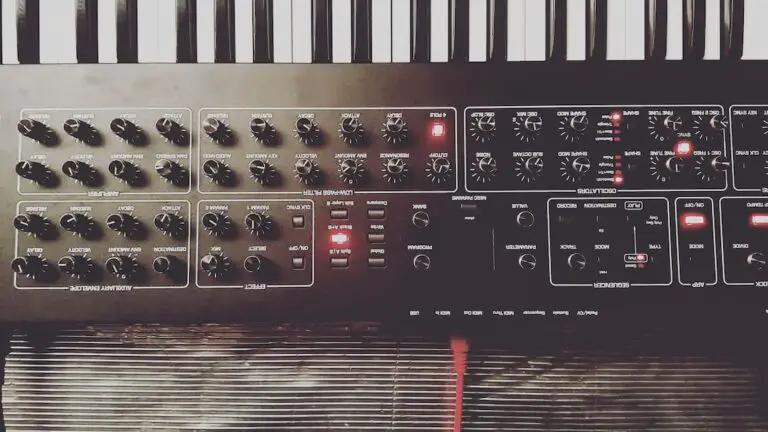
Did you know? The band’s early gear included the Roland System-10 and the Korg 70S. These machines were the backbone of their sound, creating the icy, robotic textures that would later define the genre.
🚨 The Great Schism: What Really Happened When the Band Split in 1980?
If you’ve ever wondered why the Human League sounds different after 1980, this is the moment. The 1980 split is the most pivotal event in the band’s history, a moment that nearly ended the group before it truly began.
Creative Differences
By 1980, tensions were high. Martyn Ware and Ian Craig Marsh wanted to pursue a more purely electronic sound, focusing on the technology itself. Philip Oakey, however, was increasingly interested in pop songwriting, melodies, and conventional song structures.
“We wanted to make music that was about the machines,” Ware explained. “Phil wanted to make music that was about people.”
The disagreement came to a head during the recording of their second album, Travelogue. Ware and Marsh felt Oakey was compromising their artistic vision. In a dramatic move, they left the band, taking the name “The Future” with them (though they soon formed Heaven 17).
Oakey’s Dilemma
Oakey was left with the name The Human League, a mountain of debt, and a tour scheduled in a few weeks. He had no band, no music, and no idea what to do.
“I thought this would only last two years, maybe three if I was lucky,” Oakey later admitted. “Becoming long-term was never the plan.”
The Nightclub Rescue
Desperate to save the tour, Oakey went to the Crazy Daisy Nightclub in Sheffield. There, he spotted two 17-year-old students, Joanne Catherall and Susan Ann Suley, dancing. He invited them to join the band, initially as dancers and backing vocalists.
“We didn’t have any money, so we just wore what we wore,” Catherall recalled. “We were just two girls from Sheffield who loved to dance.”
This decision changed everything. Catherall and Suley brought a human element to the band’s cold electronic sound, creating a unique dynamic that would soon captivate the world.
🏆 Dare Era Dominance: How “Don’t You Want Me” Conquered the World
With the new lineup in place, the Human League recorded their third album, Dare (1981). It was a masterpiece of synth-pop, blending Oakey’s pop sensibilities with the band’s electronic roots.
The Album That Changed Everything
Dare was a commercial and critical success, reaching #1 in the UK and staying there for four weeks. It spawned four top-10 singles, including “The Sound of the Crowd”, “Love Action (I Believe in Love)”, and “Open Your Heart”.
But the crown jewel was “Don’t You Want Me”.
“I thought it was too pop,” Oakey admitted about the song. “I didn’t think it would be a hit.”
He was wrong. The song became a global phenomenon, reaching #1 in the UK for five weeks and #1 in the US. It sold nearly 1.5 million copies in the UK alone.
The MTV Effect
The success of “Don’t You Want Me” was inextricably linked to the rise of MTV. The band’s futuristic, minimalist fashion and the song’s narrative-driven video made it a perfect fit for the new medium.
“I don’t think we would have had a number one if it weren’t for the video and MTV,” Oakey said. “We know that we wouldn’t be here without video.”
Legacy of Dare
Dare is often cited as one of the greatest albums of all time. AllMusic’s Stephen Thomas Erlewine gave it a 5-star rating, stating: “The technology may have dated… but few have manipulated technology in such an emotionally effective way.”
| Track | UK Chart Peak | US Chart Peak |
|---|---|---|
| “The Sound of the Crowd” | #12 | – |
| “Love Action (I Believe in Love)” | #3 | – |
| “Open Your Heart” | #6 | – |
| “Don’t You Want Me” | #1 | #1 |
📉 The Commercial Decline: Analyzing Hysteria, Crash, and the 1980s Pop Shift
After the massive success of Dare, the pressure was on. The band struggled to replicate that magic, leading to a period of commercial decline and creative experimentation.
Hysteria (1984)
The follow-up album, Hysteria, was a commercial disappointment, peaking at #3 in the UK. The lead single, “The Lebanon”, was a critical success but failed to reach the heights of their previous hits.
“We were trying to find a new sound,” Oakey explained. “We were moving away from the pure synth-pop of Dare.”
Crash (1986) and the American Breakthrough
In 1986, the band signed with Virgin Records and decided to work with American producers Jimmy Jam & Terry Lewis, known for their work with Janet Jackson and Prince. The result was the album Crash, which produced the US #1 hit “Human”.
“They’re the only producers we worked with who also wrote songs,” Oakey said. “They were natural geniuses with sound.”
“Human” became a massive hit in the US, reaching #1 on the Billboard Hot 10. However, the album’s success was short-lived, and the band struggled to maintain their momentum in the UK.
The 190s Struggle
The 190s saw the band struggle against the rise of grunge and hip-hop. Their 190 album Romantic? was never released, and they were eventually dropped by Virgin Records.
“We were dismissed by the industry,” Catherall said. “They thought were a relic of the 80s.”
🔄 Phil Oakey vs. The Original Members: The Legal Battles and Reunions That Never Were
The split between Oakey and the original members (Ware and Marsh) was not just creative; it was legal. The dispute over the band’s name and assets led to a long-standing legal battle.
The Name Rights
Oakey retained the rights to the name The Human League, while Ware and Marsh formed Heaven 17. This division has persisted for decades, with no official reunions of the original lineup.
“We are on good terms,” Oakey said about Ware. “We had lunch recently, but we don’t meet regularly.”
Why No Reunion?
Despite fan requests, a reunion of the original lineup seems unlikely. Ware and Marsh have continued their own projects, and Oakey has remained committed to the current trio.
“We are not sure the world needs another Human League record,” Oakey said. “We are happy to keep doing what we do.”
🎤 Line-Up Evolution: Tracking the Human League Members and Vocalists Through the Decades
The Human League’s lineup has changed significantly over the years, but the core trio has remained constant.
The Original Lineup (197–1980)
- Philip Oakey (Lead Vocals)
- Martyn Ware (Synthesizers, Vocals)
- Ian Craig Marsh (Synthesizers, Vocals)
- Philip Adrian Wright (Visuals, Keyboards)
The Dare Lineup (1980–1986)
- Philip Oakey (Lead Vocals)
- Joanne Catherall (Backing/Lead Vocals)
- Susan Ann Suley (Backing/Lead Vocals)
- Ian Burden (Guitar, Keyboards)
- Jo Callis (Guitar, Songwriter)
- Philip Adrian Wright (Visuals, Keyboards)
The Current Lineup (1986–Present)
- Philip Oakey (Lead Vocals)
- Joanne Catherall (Backing/Lead Vocals)
- Susan Ann Suley (Backing/Lead Vocals)
- David Beevers (Engineering, Keyboards)
- Rob Barton (Percussion)
- Ben Smith (Keyboards)
- Nick Banks (Guitar)
Note: Neil Sutton (Keyboards) left the band in 2017 after 30 years.
🎵 Musical Style and Legacy: From Industrial Noise to Chart-Topping Synth-Pop
The Human League’s musical style has evolved from industrial noise to chart-topping synth-pop, but their core identity remains rooted in the use of synthesizers and electronic production.
Early Industrial Sound
In their early days, the band was known for their abrasive, mechanical sound. Tracks like “Being Boiled” and “The Dignity of Labour” were dark, experimental, and often unsettling.
The Pop Transformation
With the arrival of Catherall and Suley, the band’s sound became more accessible and melodic. The addition of vocals and songwriting transformed them into a pop powerhouse.
Influence on Modern Synth-Pop
The Human League’s influence on modern synth-pop is undeniable. Artists like Chvrches, The Weeknd, and Ladytron have cited the band as a major inspiration.
“They were the sound of the future,” Chvrches’ Lauren Mayberry said. “Their use of technology and melody is still relevant today.”
💿 Discography Deep Dive: Ranking Every Human League Studio Album from Reproduction to Credo
Let’s rank the Human League’s studio albums from worst to best, based on critical reception and commercial success.
| Rank | Album | Year | Peak UK Chart | Key Singles |
|---|---|---|---|---|
| 1 | Dare | 1981 | #1 | “Don’t You Want Me”, “Love Action” |
| 2 | Crash | 1986 | #8 | “Human”, “Heart Like a Wheel” |
| 3 | Octopus | 195 | #10 | “Tell Me When”, “One Man in My Heart” |
| 4 | Hysteria | 1984 | #3 | “The Lebanon” |
| 5 | Secrets | 201 | #4 | “All I Ever Wanted” |
| 6 | Credo | 201 | #4 | “Never Let Me Go” |
| 7 | Travelogue | 1980 | #17 | “Empire State Human” |
| 8 | Reproduction | 1979 | #10 | “Being Boiled” |
| 9 | Romantic? | (Unreleased) | – | – |
Note: Romantic? was produced by William Orbit but never released due to legal issues.
🏅 Awards, Nominations, and Critical Aclaim: Did They Get the Recognition They Deserved?
The Human League has received numerous awards and nominations throughout their career, but they have never won a Gramy Award.
Major Awards
- Brit Award for Best British Breakthrough Act (1982)
- Ivor Novello Award for Best Song Musically and Lyrically (1982)
- NME Award for Best Single (1982)
Grammy Nominations
- Best New Artist (1983)
- Best Pop Performance by a Duo or Group with Vocal (1983)
“We were nominated for a Grammy, but we didn’t win,” Oakey said. “It’s a shame, but we are still here.”
📅 The Human League Timeline: A Year-by-Year Breakdown of Tours, Releases, and Drama
Here’s a quick timeline of the band’s most significant moments:
- 197: Band formed as The Future.
- 1978: Renamed The Human League; released “Being Boiled”.
- 1980: Split with Ware and Marsh; Catherall and Suley join.
- 1981: Release of Dare; “Don’t You Want Me” becomes #1.
- 1984: Release of Hysteria; “The Lebanon” hits #1.
- 1986: Release of Crash; “Human” hits #1 in the US.
- 190: Romantic? album shelved; band dropped by Virgin.
- 195: Release of Octopus; “Tell Me When” hits #10.
- 201: Release of Secrets; label goes bankrupt.
- 201: Release of Credo; band continues touring.
- 2023: Headlined Cruel World Festival; performance cut short due to storms.
- 2024: Nine-date tour of Australia; Generations 2024 arena tour across Europe.
🎧 Why the Human League Still Matters: Influence on Modern Synth-Pop and New Wave
The Human League’s influence on modern synth-pop and new wave is profound. Their use of synthesizers, electronic production, and pop songwriting has inspired countless artists.
The Blueprint for Synth-Pop
The band’s early work laid the groundwork for the synth-pop genre, influencing artists like Depeche Mode, New Order, and Yazoo.
The Human League Today
Today, the band continues tour and release new music, proving that their sound is still relevant.
“We are not sure the world needs another Human League record,” Oakey said. “But we are happy to keep doing what we do.”
🎸 Live Performance Review: What to Expect at a Human League Concert Today
If you’re planning to see the Human League live, here’s what you can expect:
The Setlist
The band typically plays a mix of their greatest hits and deep cuts, with a focus on their Dare album.
The Performance
The band is known for their live energy and professionalism. They refuse to use playback, rehearsing before every show to ensure a high-quality performance.
“We arrive three hours early to set up,” Oakey said. “We want to surprise the producers who expect us to mime.”
The Atmosphere
The atmosphere at a Human League concert is electric, with fans singing along to every word. The band’s minimalist fashion and futuristic visuals add to the experience.
❓ Frequently Asked Questions About the Human League’s History and Current Status
Do Human League still perform?
Yes! The Human League is still active and touring globally. They have announced tours for 2025, 2026, and 2027.
What are The Human League doing now?
The band is currently working on new music and planning future tours. They are also exploring Dolby Atmos mixes of their classic albums.
What ever happened to The Human League?
The band never disbanded. They have continued tour and release music since their formation in 197, with the core trio of Oakey, Catherall, and Suley remaining intact.
Who are the current members of The Human League?
The current members are Philip Oakey, Joanne Catherall, and Susan Ann Suley. They are supported by a touring band including David Beevers, Rob Barton, Ben Smith, and Nick Banks.
What caused the split between Phil Oakey and Martyn Ware?
The split was caused by creative differences. Ware and Marsh wanted to pursue a more purely electronic sound, while Oakey wanted to focus on pop songwriting.
How did The Human League influence modern synth pop?
The Human League’s use of synthesizers, electronic production, and pop songwriting has inspired countless artists, including Chvrches, The Weeknd, and Ladytron.
What was the first hit song by The Human League?
The first hit song was “The Sound of the Crowd”, which reached #12 in the UK in 1981.
Did The Human League win any Grammy awards?
No, the Human League has never won a Grammy Award, but they were nominated for Best New Artist in 1983.
What albums did The Human League release in the 1980s?
The Human League released Dare (1981), Hysteria (1984), and Crash (1986) in the 1980s.
Why is “Don’t You Want Me” considered a synth pop classic?
“Don’t You Want Me” is considered a synth pop classic because of its catchy melody, futuristic sound, and narrative-driven video. It defined the early MTV era and remains a staple of the genre.
🔗 Recommended Links: Essential Reading, Interviews, and Fan Communities
If you want to dive deeper into the world of the Human League, here are some essential resources:
- Classic Pop Magazine Interview: The Human League Interview – Classic Pop Magazine
- Official Website: The Human League Official Site
- Fan Community: Human League Fan Club
- Books: Dare: The Story of the Human League
📚 Reference Links: Official Sources and Historical Archives
For those who want to verify the facts and dive deeper into the band’s history, here are some reliable sources:
- Wikipedia: The Human League
- AllMusic: The Human League Discography
- Classic Pop Magazine: The Human League Interview
- Post Punk Monk: The Human League’s Credo: Still Vexing After All These Years
🏁 Conclusion: The Enduring Mystery of the Human League

So, what happened to the Human League? They didn’t disappear; they evolved. From their humble beginnings in Sheffield to their global superstardom, the Human League has remained a constant force in the world of synth-pop.
The band’s story is one of resilience, creativity, and adaptability. Despite the split, the commercial decline, and the changing music landscape, the Human League has continued tour, release music, and inspire new generations of artists.
“We are not sure the world needs another Human League record,” Oakey said. “But we are happy to keep doing what we do.”
And that’s the beauty of the Human League. They don’t need to prove anything to anyone. They just keep making music, on their own terms, for as long as people want to hear it.
Final Verdict: The Human League is a must-see live act and a must-listen band for any fan of synth-pop or new wave. Their legacy is secure, and their future looks bright.
Recommendation: If you haven’t heard their music, start with Dare. If you’re a fan, catch them live. You won’t be disappointed.
👉 CHECK PRICE on:
- Dare (Vinyl): Amazon | Etsy | Official Store
- Credo (CD): Amazon | Walmart | Official Store
- Human League T-Shirts: Amazon | Etsy | Official Store