Support our educational content for free when you purchase through links on our site. Learn more
🎹 Top 10 Synth Pop Duos of the 80s: The Ultimate Guide

Remember the first time you heard “Sweet Dreams” or “Don’t You Want Me”? That electric shock wasn’t just a catchy melody; it was the sound of two people and a machine rewriting the rules of music forever. At Synth Pop™, we’ve spent decades dissecting the neon-soaked history of the 1980s, and let us tell you: the era of the Synth Pop Duos of the 80s remains the most efficient, creative, and visually stunning period in pop history. While Wikipedia might list facts, we’re here to tell you the story behind the synths.
Why did two people consistently outperform full bands? It turns out, the “one voice, one machine” dynamic created a unique tension that full bands simply couldn’t match. From the soulful grit of Alison Moyet battling Vince Clarke’s pristine arpegios in Yazoo, to the icy detachment of Marc Almond meeting David Ball’s dark beats in Soft Cell, these duos mastered the art of contrast. In this comprehensive guide, we aren’t just listing names; we are ranking the titans, analyzing the gear that defined a generation, and revealing why Eurythmics and Pet Shop Boys still dominate the airwaves today.
Key Takeaways
- The Power of Contrast: The most successful duos thrived on the tension between a human vocal and mechanical instrumentation, creating a unique emotional depth that full bands often lacked.
- Gear is King: The sound of the decade was defined by specific hardware like the Roland Jupiter-4, Yamaha DX7, and LinnDrum, which allowed two people to sound like an orchestra.
- Visual Revolution: These acts didn’t just change how music sounded; they changed how it looked, using MTV androgynous fashion to challenge gender norms and dominate the charts.
- Enduring Legacy: From The Human League to Erasure, the songwriting formulas developed in the 80s continue to influence modern electronic artists like The Weeknd and Dua Lipa.
- Our Top Pick: If you only listen to one duo to understand the genre, start with Yazoo for the perfect blend of soul and synth, or Eurythmics for the ultimate vocal performance.
Table of Contents
- ⚡️ Quick Tips and Facts
- 🎹 The Neon Genesis: How Synth Pop Duos of the 80s Rewrote Music History
- 🏆 The Titans of Two: Ranking the Most Iconic Synth Pop Duos of the 1980s
- 1. The Human League: From Sheffield to Global Domination
- 2. Eurythmics: Sweet Dreams and Analog Magic
- 3. Yazoo (Yaz): The Perfect Storm of Soul and Synths
- 4. Soft Cell: Tainted Love and the Art of the Darker Beat
- 5. Pet Shop Boys: The Intellectuals of the Dance Floor
- 6. Erasure: The Cheerful Architects of Synth-Pop Perfection
- 7. Depeche Mode: The Darker Side of the Two-Person Equation
- 8. The Thompson Twins: Pop Alchemy with a Twist
- 9. Blancmange: Living on the Ceiling and Beyond
- 10. Heaven 17: The Political Pulse of the Synth Era
- 🎛️ Gear Up: The Essential Synthesizers and Drum Machines That Defined the Sound
- 🎤 The Vocal Chemistry: Why Two Voices Work Better Than One in Synth Pop
- 🌍 Global Waves: How British Synth Pop Duos Conquered the World
- 🎧 Deep Dive: Analyzing the Songwriting Secrets of the 80s Duos
- 🔄 Legacy and Revival: How Modern Artists Keep the Duo Spirit Alive
- 💡 Quick Tips and Facts for the Aspiring Synth-Pop Duo
- 🏁 Conclusion
- 🔗 Recommended Links
- ❓ FAQ
- 📚 Reference Links
⚡️ Quick Tips and Facts
Before we dive into the neon-soaked history of the 80s, let’s hit the rewind button on some essential truths about the Synth Pop Duos of the 80s. If you think this was just about two people and a keyboard, think again. It was a revolution in efficiency, aesthetics, and pure sonic alchemy.
- The “One-and-One” Rule: Unlike rock bands that needed a rhythm section, a lead, and a backup, synth-pop duos often split the world into Vocals and Instruments. This division of labor allowed for a laser-focused sound where every synth line had a purpose.
- The “Human League” Exception: While we are focusing on duos, the Human League is a fascinating anomaly. After a split, the commercially successful version (Philip Oakey, Joanne Catherall, and Susan Ann Suley) functioned as a trio, but the dynamic was often perceived as the “Frontman vs. The Synths,” a trope that defined the genre.
- The “Vince Clarke” Factor: If you hear a catchy, bubbly synth melody, there’s a good chance Vince Clarke wrote it. He founded Yazoo, Erasure, and Depeche Mode (early days), essentially single-handedly writing the playbook for the genre.
- MTV Was the Catalyst: You can’t talk about 80s synth-pop without mentioning MTV. The visual component was just as important as the audio. Bands like A Flock of Seagulls and Eurythmics became global superstars because they looked as cool as they sounded.
- The “Souless” Myth: Critics at the time called the music “anaemic” and “souless” because machines were playing the instruments. Andy McCluskey of OMD famously retorted: “If there was a button on a synth that said ‘hit single’, I would have pressed it… but there isn’t.”
🎹 The Neon Genesis: How Synth Pop Duos of the 80s Rewrote Music History

How did a genre born in the cold, industrial basements of Sheffield and the avant-garde labs of Germany conquer the world? It started with a simple question: What if we didn’t need a drummer?
In the late 1970s, the punk movement was screaming “No Future,” but a quieter, more technological revolution was brewing. Synth-pop (or techno-pop) emerged as a reaction to the guitar-heavy rock of the 70s. The synthesizer wasn’t just an instrument; it was a democratization tool. Suddenly, you didn’t need to spend years learning to play complex guitar solos. You needed a Roland Jupiter-4, a Korg Polysix, and a dream.
The duo format became the perfect vessel for this new sound. As noted in our deep dive into Modern Synth Pop, the intimacy of two voices allowed for a unique tension. One voice could be the cold, robotic observer, while the other provided the human heart. Or, as in the case of Modern Talking, a German duo that bridged the gap between 80s pop and modern Eurodance, the dynamic could be pure, unadulterated commercial perfection.
Did you know? The very first YouTube video ever uploaded, “Me at the zoo,” wasn’t about music, but the first music videos that defined the era were the ones that made the synth-pop duo a household name. Check out the compilation of these iconic videos in our featured section below to see the visual evolution of the genre.
The Rise of the “English Haircut” Bands
In the US, these acts were often dismissed as “English haircut bands” due to their androgynous fashion and reliance on technology. But in the UK, they were kings and queens. The Mute Records label, founded by Daniel Miller, became the spiritual home for these acts, championing Depeche Mode, Yazoo, and Soft Cell.
The success of OMD (Orchestral Manoeuvres in the Dark) proved that you could be intellectual and pop simultaneously. Their 1981 album Architecture & Morality is still cited as a masterpiece of the genre. They showed the world that synthesizers could be melancholic, spiritual, and deeply human.
Why the Duo Format Dominated
Why duos? Why not trios or quartets?
- Cost: Touring with a full band was expensive. A duo could fit in a small van and a single hotel room.
- Creative Control: With only two people, there were fewer egos to clash. Decisions were made quickly.
- The “One-Man Band” Illusion: With sequencers and drum machines, one person could create the sound of an orchestra. The second person was free to focus entirely on the melody and the message.
This era wasn’t just about the music; it was about the cultural shift. It was about gender bending, with Anie Lenox in a suit and Phil Oakey with his asymmetric hair, challenging the norms of masculinity and feminity in pop culture.
🏆 The Titans of Two: Ranking the Most Iconic Synth Pop Duos of the 1980s
We’ve seen the history, but who actually ruled the airwaves? At Synth Pop™, we’ve spent countless hours spinning vinyl and analyzing chart data to bring you the definitive ranking. These aren’t just names; they are the architects of the sound that still echoes in your Spotify playlists today.
1. The Human League: From Sheffield to Global Domination
- The Vibe: Cold, robotic, yet undeniably human.
- The Hit: “Don’t You Want Me” (1981).
- The Story: Originally a larger collective, the band fractured. The remaining core—Philip Oakey, Joanne Catherall, and Susan Ann Suley—rebranded as a trio that functioned with the tightness of a duo. Oakey’s deep, baritone vocals contrasted perfectly with the girls’ ethereal harmonies and the cold, digital synths of Martyn Ware (before his departure).
- Why They Win: They were the first to prove that synth-pop could be a global #1 phenomenon. “Don’t You Want Me” is arguably the most recognizable synth-pop song in history.
2. Eurythmics: Sweet Dreams and Analog Magic
- The Vibe: Grity, soulful, and visually striking.
- The Hit: “Sweet Dreams (Are Made of This)” (1983).
- The Story: Anie Lenox and Dave Stewart were a power couple in every sense. Before their breakthrough, they were on the verge of quitting. Lenox famously recalled, “I remember that I was in a terrible mood that day. I actually thought we should give up.” But they pressed record, and the rest is history.
- Why They Win: They brought soul to the machine. Lenox’s voice could cut through any synthesizer wall, and Stewart’s production was a masterclass in texture. They are the ultimate example of the “Vocalist + Instrumentalist” dynamic.
3. Yazoo (Yaz): The Perfect Storm of Soul and Synths
- The Vibe: Melancholic, bluesy, and incredibly catchy.
- The Hit: “Only You” (1982).
- The Story: Formed by Vince Clarke (who left Depeche Mode to start fresh) and Alison Moyet (a blues singer with a powerhouse voice). The chemistry was instant. Clarke’s bubbly, complex synth lines met Moyet’s raw, soulful vocals.
- Why They Win: They were short-lived (only two albums), but their impact was massive. They proved that a blues singer could thrive in a synth-pop setting. In the US, they were known as Yaz, a name that stuck.
4. Soft Cell: Tainted Love and the Art of the Darker Beat
- The Vibe: Noir, sleazy, and darkly romantic.
- The Hit: “Tainted Love” (1981).
- The Story: Marc Almond and David Ball created a sound that was distinctly British and unapologetically dark. Their debut album, Non-Stop Erotic Cabaret, is a concept masterpiece about the sedy underbely of city life.
- Why They Win: “Tainted Love” became one of the best-selling singles in UK history. They showed that synth-pop didn’t have to be happy; it could be haunting.
5. Pet Shop Boys: The Intellectuals of the Dance Floor
- The Vibe: Witty, sophisticated, and danceable.
- The Hit: “West End Girls” (1985).
- The Story: Neil Tennant (lyrics/vocals) and Chris Lowe (synths/production) met in a record store. They brought a literary flair to the genre, writing songs about urban life, politics, and sexuality with a dry, British wit.
- Why They Win: They dominated the US dance charts when other British acts struggled. Their ability to blend high-concept lyrics with infectious beats made them enduring legends.
6. Erasure: The Cheerful Architects of Synth-Pop Perfection
- The Vibe: Uplifting, camp, and melodically flawless.
- The Hit: “Sometimes” (1986).
- The Story: After Yazoo split, Vince Clarke found a new partner in Andy Bell. Where Yazoo was melancholic, Erasure was often joyous. Bell’s soaring vocals and Clarke’s pristine production created a sound that was pure pop perfection.
- Why They Win: They had an incredible run of hits in the late 80s and 90s, proving the duo format had longevity.
7. Depeche Mode: The Darker Side of the Two-Person Equation
- The Vibe: Grity, industrial, and evolving.
- The Hit: “Just Can’t Get Enough” (1981) & “Enjoy the Silence” (190).
- The Story: While they started as a four-piece, the core creative force was Dave Gahan (vocals) and Martin Gore (songwriter/synth). As the band evolved, they became the dark, broding giants of the genre, moving away from the “bubblegum” sound of their early days.
- Why They Win: They bridged the gap between pop and industrial rock, influencing countless modern acts.
8. The Thompson Twins: Pop Alchemy with a Twist
- The Vibe: Funky, rhythmic, and visually eclectic.
- The Hit: “Hold Me Now” (1983).
- The Story: Originally a larger group, they streamlined to a trio (often perceived as a duo dynamic with Tom Bailey and Alannah Curie). They incorporated world music elements and had a unique, quirky style.
- Why They Win: They were masters of the “second wave” of synth-pop, bringing a funkier, more rhythmic edge to the genre.
9. Blancmange: Living on the Ceiling and Beyond
- The Vibe: Quirky, clean-cut, and surprisingly deep.
- The Hit: “Living On The Ceiling” (1982).
- The Story: Often overlooked, Neil Arthur and Stephen Luscombe were the “good boys” of the scene. They blended synth-pop with sub-continent influences, using sitars and tablas to create a unique soundscape.
- Why They Win: Their debut album Happy Families is a cult classic. They proved you could be successful without being “edgy” or “dark.”
10. Heaven 17: The Political Pulse of the Synth Era
- The Vibe: Funky, political, and sophisticated.
- The Hit: “Temptation” (1982).
- The Story: Formed by Martyn Ware and Ian Craig Marsh after leaving the Human League, with Glenn Gregory on vocals. They were more politically charged than their peers, critiquing consumerism and fascism.
- Why They Win: “Temptation” is a masterpiece of production and lyricism, showcasing the intellectual side of the genre.
🎛️ Gear Up: The Essential Synthesizers and Drum Machines That Defined the Sound
You can’t replicate the 80s sound without the right tools. The magic wasn’t just in the hands of the musicians; it was in the circuitry of the machines. Here’s the “holy trinity” of gear that every aspiring duo needs to know about.
The Synthesizers
| Model | Key Feature | Iconic Users | Sound Profile |
|---|---|---|---|
| Roland Jupiter-4 | Polyphonic, built-in chorus | The Human League, Yazoo | Warm, rich, slightly unstable (which added character) |
| Sequential Circuits Prophet-5 | Fully programmable polyphonic | OMD, Soft Cell | The “standard” for 80s pads and leads; incredibly versatile |
| Yamaha DX7 | FM Synthesis (Digital) | Eurythmics, Pet Shop Boys | Bright, glassy, metallic; defined the mid-to-late 80s sound |
| Roland Juno-60/6 | Simple, chorus effect | Depeche Mode, Blancmange | Chorus-heavy, lush, and perfect for basslines |
| Korg Polysix | Analog polyphonic with chorus | Heaven 17, Thompson Twins | Warm, fat, and very affordable for the time |
The Drum Machines
- Roland TR-808: The king of bass. Used by Yellow Magic Orchestra and adopted by British synth-pop acts for its deep, thumping kick and crisp snare. It gave the music its “heartbeat.”
- Roland TR-7 / LinnDrum: Before the 808 took over, these provided the crisp, digital-sounding beats that defined the early 80s. The LinnDrum was used on countless hits for its realistic (yet robotic) snare sound.
- Sequential Circuits DrumTraks: A favorite of Vince Clarke for its crisp, punchy sound that cut through the mix.
The Sequencers
Without the Roland MC-4 Microcomposer or the Casio CZ-101, the complex arpegios of Yazoo and Depeche Mode would have been impossible to play live. These machines allowed the “one-man band” to layer multiple synth lines perfectly in time.
Pro Tip: If you’re trying to recreate this sound today, don’t just buy a plugin. Look for hardware emulations of the Jupiter-4 or the DX7. The “imperfections” of the analog gear are what give the music its soul.
🎤 The Vocal Chemistry: Why Two Voices Work Better Than One in Synth Pop
Why does the duo format work so well? It’s all about contrast.
In a traditional rock band, the lead singer is supported by a rhythm section. In a synth-pop duo, the “rhythm section” is often a machine. This leaves the vocalists with a massive job: they have to carry the entire emotional weight of the song.
The “Call and Response” Dynamic
Many of the biggest hits relied on a specific vocal interplay:
- The Cool vs. The Hot: One voice is detached, robotic, or cool (e.g., Philip Oakey), while the other is emotional, soaring, or soulful (e.g., Joanne Catherall).
- The Intellectual vs. The Emotional: Neil Tennant (Pet Shop Boys) often delivered lyrics with a dry, observational wit, while Chris Lowe provided the musical backdrop.
- The Soul vs. The Machine: Alison Moyet (Yazoo) brought a bluesy, human grit to Vince Clarke’s pristine, mathematical synth lines.
This tension creates a narrative within the song itself. You aren’t just listening to a melody; you’re listening to a conversation between two opposing forces.
The Role of the “Non-Singer”
In many duos, one member didn’t sing at all. Dave Stewart (Eurythmics), David Ball (Soft Cell), and Chris Lowe (Pet Shop Boys) focused entirely on the music. This allowed the vocalist to become the sole focal point, creating an intense connection with the audience. It’s a bold move that requires immense confidence from the singer.
🌍 Global Waves: How British Synth Pop Duos Conquered the World
While the genre had roots in Germany (Kraftwerk) and Japan (Yellow Magic Orchestra), it was the British duos that truly globalized the sound.
The “Second British Invasion”
In the early 80s, the US music scene was dominated by hair metal and disco. Then, the British synth-pop duos arrived, bringing a new aesthetic and sound. MTV was the secret weapon. Bands like A Flock of Seagulls and Eurythmics had striking visuals that played perfectly on the new music television channel.
The American Adaptation
Not all British acts found success in the US. Soft Cell and Yazoo had hits, but others struggled. Pet Shop Boys and Depeche Mode eventually found massive success in the US dance clubs, bridging the gap between the underground and the mainstream.
The Legacy of the “English Haircut”
The androgynous fashion and gender-bending imagery of these duos challenged American norms. Anie Lenox in a suit, Phil Oakey with his towering hair, and Marc Almond with his leather jackets all contributed to a cultural shift that made the 80s a decade of experimentation.
🎧 Deep Dive: Analyzing the Songwriting Secrets of the 80s Duos
What made these songs so catchy? It wasn’t just luck. There was a formula.
The “Vince Clarke” Formula
Vince Clarke is the master of the “hook.” His songs often feature:
- Simple, repetitive chord progressions.
- Complex, arpegiated synth lines that create a sense of movement.
- Melodic vocals that sit perfectly on top of the synth.
- A bridge that provides a sudden shift in energy.
The “Anie Lenox” Formula
Anie Lenox brought a different approach:
- Strong, rhythmic vocal delivery.
- Lyrical themes of love, loss, and empowerment.
- Dynamic production that builds from a whisper to a roar.
- Visual storytelling that complements the music.
The “Soft Cell” Formula
Marc Almond and David Ball focused on:
- Dark, noir-inspired lyrics.
- Minimalist production that left space for the vocals.
- A sense of urgency in the rhythm.
- A blend of pop and art that appealed to both the masses and the critics.
🔄 Legacy and Revival: How Modern Artists Keep the Duo Spirit Alive
The 80s may be over, but the spirit of the synth-pop duo is alive and well.
The 20s Revival
Acts like The Postal Service (Ben Gibard and Jimmy Tamborelo) brought the duo format back to the forefront, blending indie rock with electronic production. Ladytron and The Killers also drew heavily from the 80s sound.
The 2010s and Beyond
Owl City (Adam Young) and Kesha (with her electronic producers) kept the sound alive in the mainstream. The Weeknd‘s “Blinding Lights” (2020) is a modern masterpiece that pays direct homage to the 80s synth-pop sound, proving that the genre is timeless.
The Modern Duo
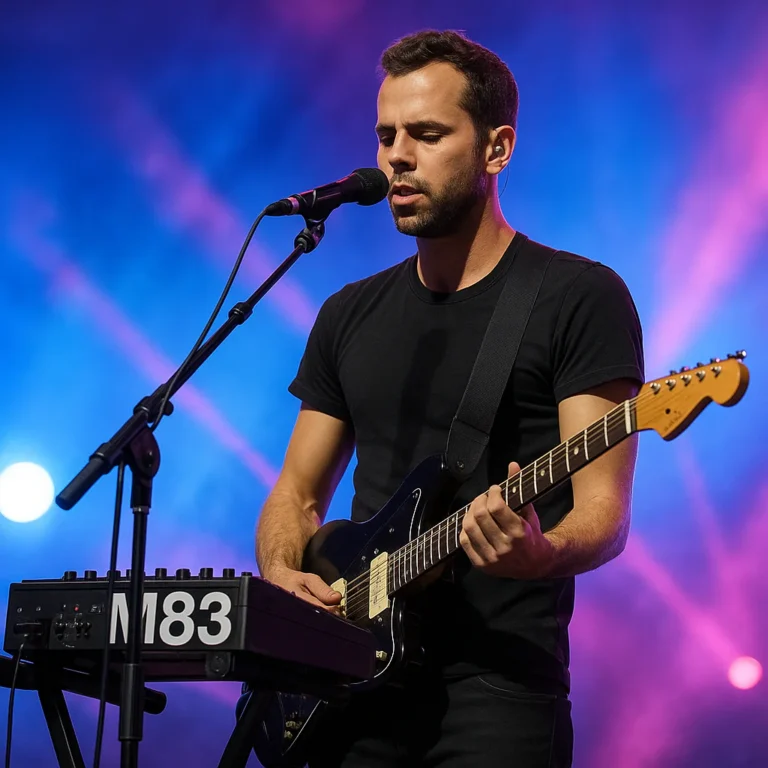
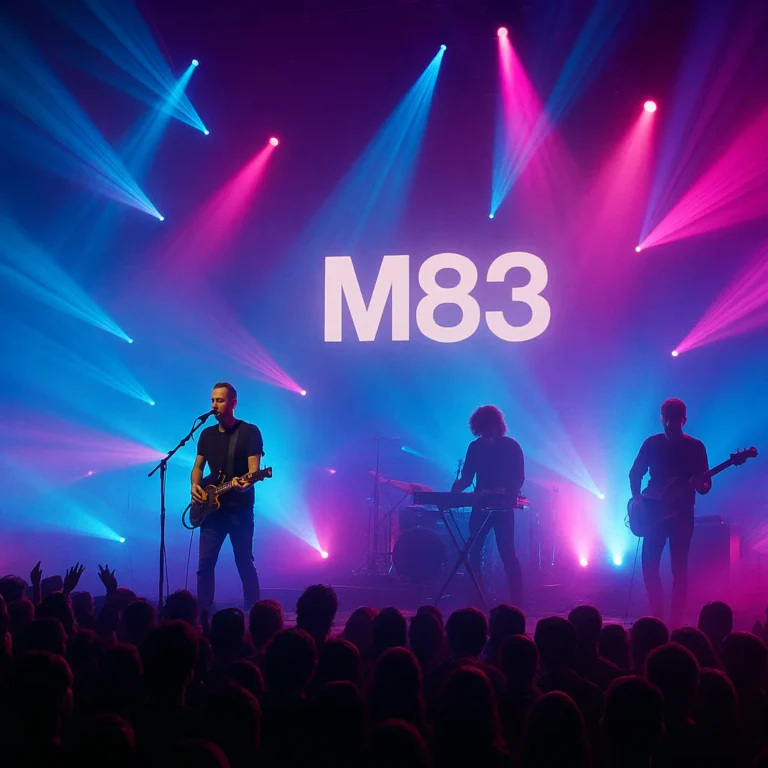
Today, we see a new generation of duos like CHVRCHES (Lauren Mayberry, Iain Cook, and Martin Doherty – often functioning as a trio but with a duo dynamic) and M83 (Anthony Gonzalez and others) carrying the torch. They prove that the “one voice, one machine” formula is still a powerful way to create music.
💡 Quick Tips and Facts for the Aspiring Synth-Pop Duo
Thinking of starting your own synth-pop duo? Here are some final tips from the experts at Synth Pop™:
- Find Your Contrast: Don’t try to be the same. If one of you is the “voice,” the other should be the “sound.”
- Embrace the Machine: Don’t fight the technology. Use the limitations of your gear to your advantage.
- Keep it Simple: You don’t need a million tracks. A great melody and a solid beat are enough.
- Visuals Matter: In the age of social media, your image is just as important as your music.
- Collaborate: The best duos are built on trust and mutual respect.
🏁 Conclusion

So, there you have it. The Synth Pop Duos of the 80s weren’t just a fleeting trend; they were a cultural phenomenon that redefined what music could be. From the cold, robotic beats of Soft Cell to the soulful, soaring vocals of Eurythmics, these duos proved that two people and a few machines could create something magical.
We started this journey by asking: How did a genre born in the cold, industrial basements of Sheffield conquer the world? The answer lies in the perfect marriage of technology and humanity. The machines provided the sound, but the humans provided the soul.
Whether you’re a die-hard fan of Yazoo or a newcomer discovering Blancmange for the first time, the legacy of these duos is undeniable. They paved the way for modern electronic music, influenced countless artists, and gave us some of the most memorable songs of the last century.
Our Top Recommendation: If you’re looking to dive deeper, start with Eurythmics’ Sweet Dreams (Are Made of This) for the perfect blend of soul and synth, or Yazoo’s Upstairs at Eric’s for the ultimate example of the “Vocalist + Instrumentalist” dynamic. And don’t forget to check out the Iconic Synth Pop Songs category on our site for more curated playlists!
🔗 Recommended Links
Ready to get your hands on some classic gear or dive deeper into the history? Here are our top picks:
- 👉 Shop Vintage Synths on: Amazon | Reverb | Sweetwater
- 👉 Shop 80s Vinyl on: Amazon | Etsy | Discogs
- Books on Synth Pop History:
Synth Pop: The Definitive Guide – Amazon
The Sound of the 80s – Amazon - Official Websites:
- Eurythmics Official Site
- Pet Shop Boys Official Site
- Depeche Mode Official Site
❓ FAQ

What are the most iconic synth pop duos from the 1980s?
The most iconic duos include Eurythmics, Yazoo (Yaz), Soft Cell, Pet Shop Boys, Erasure, and The Human League (often perceived as a duo dynamic). These acts defined the genre with their unique blend of vocals and synthesizers.
Read more about “What Happened to the Band Yazoo? The Untold Story 🎹✨”
Which 80s synth pop duo had the biggest hit songs?
While “bigest” is subjective, Eurythmics with “Sweet Dreams (Are Made of This)” and The Human League with “Don’t You Want Me” are often cited as the biggest global hits. Soft Cell’s “Tainted Love” also remains one of the best-selling singles in UK history.
Read more about “🎹 Top 10 Modern Talking Synth Pop Anthems (2026)”
How did synth pop duos influence modern electronic music?
Synth pop duos laid the groundwork for house, techno, and electrop. Their use of sequencers, drum machines, and synthesizers became the standard for electronic music production. Modern artists like The Weeknd and Dua Lipa continue to draw inspiration from their sound.
Read more about “What Is Considered Synth-Pop? The Ultimate Guide (2026) 🎹”
What equipment did 80s synth pop duos use to create their sound?
Key equipment included the Roland Jupiter-4, Sequential Circuits Prophet-5, Yamaha DX7, Roland TR-808, and LinnDrum. These machines provided the distinctive sounds that defined the era.
Who were the female-fronted synth pop duos of the 1980s?
Eurythmics (Anie Lenox) and Yazoo (Alison Moyet) are the most prominent female-fronted duos. The Human League also featured female vocalists (Joanne Catherall and Susan Ann Suley) alongside Philip Oakey.
What is the difference between new wave and synth pop duos in the 80s?
While the terms are often used interchangeably, new wave is a broader genre that includes guitar-based bands, whereas synth pop specifically emphasizes the synthesizer as the dominant instrument. Synth pop duos often had a more electronic, minimalist sound compared to the more rock-oriented new wave acts.
Can you list the top 10 synth pop duos that defined the 1980s?
- Eurythmics
- Yazoo (Yaz)
- Soft Cell
- Pet Shop Boys
- Erasure
- The Human League
- Depeche Mode
- The Thompson Twins
- Blancmange
- Heaven 17
📚 Reference Links
- Synth-pop – Wikipedia
- The Current: Transmission – Synthpop Duos of the 1980s
- The New Vinyl Villain: Synth Pop Duos
- Rolling Stone: The 10 Greatest Songs of the 80s
- Billboard: The 10 Greatest Songs of the 80s
- Mute Records Official Site
- Eurythmics Official Site
- Pet Shop Boys Official Site
- Depeche Mode Official Site
- Soft Cell Official Site
- Yazoo Official Site
- Erasure Official Site
- The Human League Official Site
- Blancmange Official Site
- Heaven 17 Official Site